

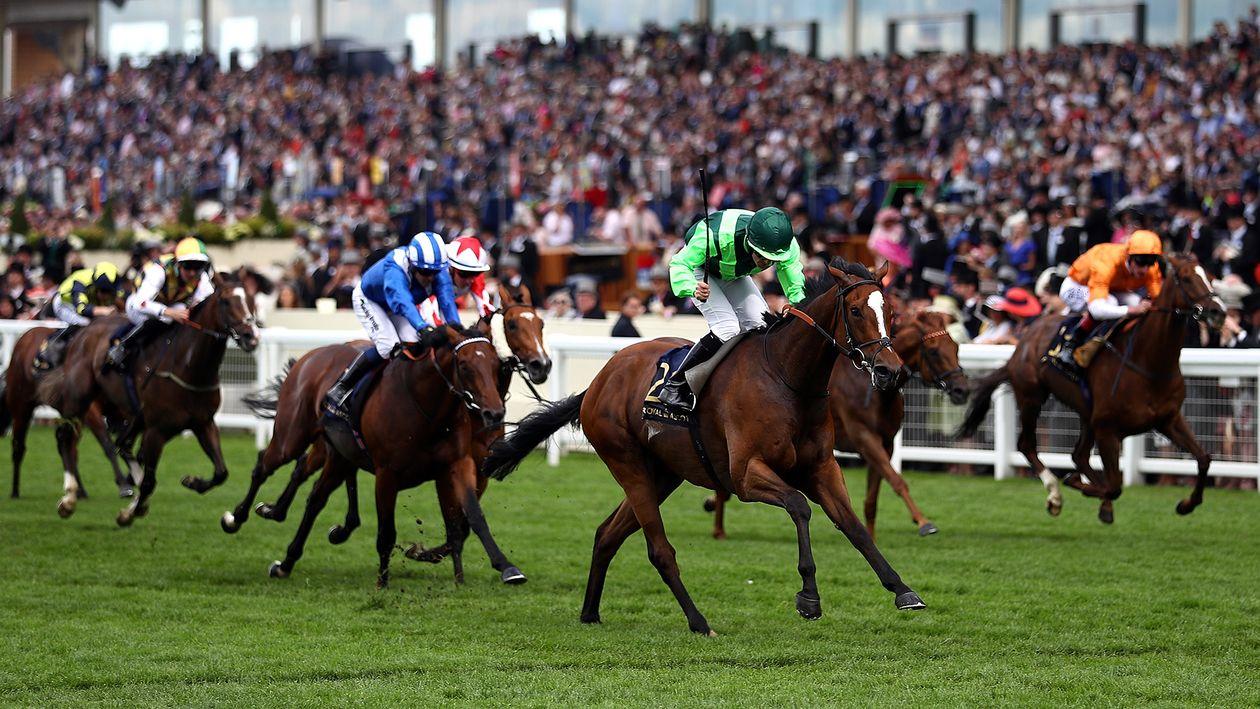
Horse racing is an international sport with a fascinating variety of traditions, racing styles and major competitions. From the historic racecourses of Europe to the major metropolitan tracks of Australia and the highly organised racing centres of Asia, the sport brings together different cultures through a shared passion for the thoroughbred.
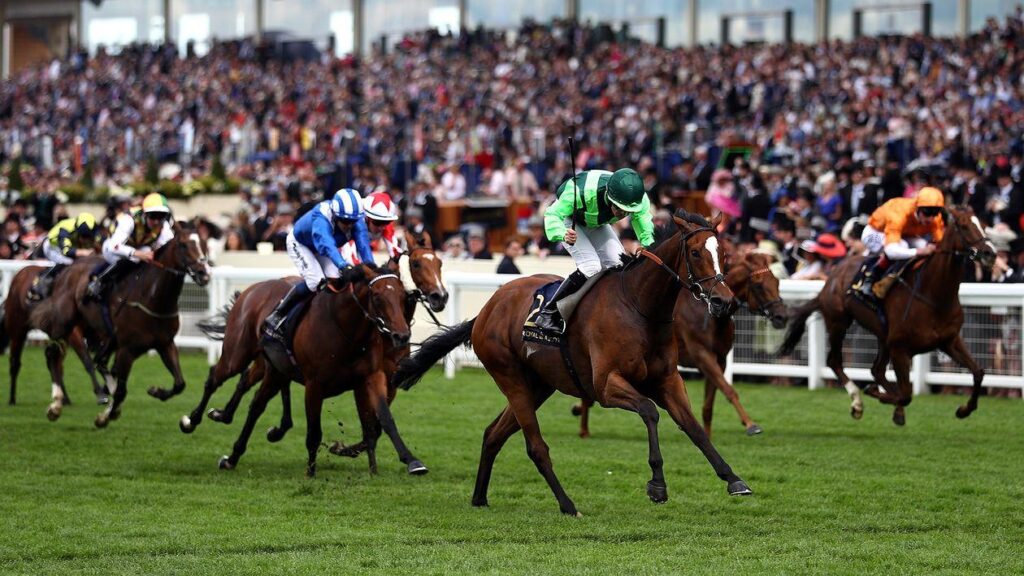
Although the basic competition remains familiar, the way racing operates can differ considerably between countries.
Understanding these differences is essential for anyone interested in the international racing landscape.
Australia’s Strong Racing Tradition
Australia has developed a distinctive horse racing culture built around major metropolitan meetings, regional racing communities and an extensive calendar of thoroughbred competitions.
Events such as the Melbourne Cup and the major spring and autumn carnivals attract significant attention.
Australian racing also has a strong connection with regional communities, where local race meetings remain important social and sporting occasions.
The country’s racing industry includes breeding, training, ownership, racecourse operations and a substantial network of supporting businesses.
The Heritage of British and Irish Racing
Britain and Ireland have long histories of organised horse racing, with racing traditions that range from flat racing to jumps competitions.
Their racing calendars include major festivals, historic racecourses and events that attract international competitors.
The region also plays an important role in thoroughbred breeding and the development of racing talent.
Its influence can be seen throughout international bloodlines, training practices and racing culture.
Asia’s Expanding Racing Influence
Asian racing markets have developed distinctive identities and increasingly sophisticated racing environments.
Hong Kong is particularly recognised for its concentrated metropolitan racing programme and strong international profile. Japan has also become an important force in global thoroughbred racing, with major races attracting international attention.
Across the wider region, investment in facilities, breeding, racehorse management and racing technology continues to contribute to the sport’s development.
The European Racing Tradition
European racing includes several influential jurisdictions, each with its own traditions and racing structures.
France has a prominent place in international flat racing and thoroughbred breeding. Other European countries maintain important racing programmes and host competitions that contribute to the wider international calendar.
The variety of courses, surfaces, distances and race conditions creates interesting comparisons for analysts following horses across borders.
The American Racing Environment
The United States has a significant thoroughbred racing industry, with major race meetings, established breeding operations and an extensive network of racecourses.
American racing is often associated with fast dirt-track competition, although turf racing also forms an important part of its calendar.
The country’s racing structure and competition formats provide another perspective on how the sport has developed internationally.
Why International Comparison Matters
Following international racing is about more than recognising famous horses and major competitions.
Analysts must consider differences in race conditions, surfaces, travel demands, competition levels and local racing regulations when comparing performances across jurisdictions.
A horse producing strong results in one racing environment may face different challenges when competing elsewhere.
Understanding these distinctions helps make international form analysis more meaningful.
A Connected Global Sport
Horse racing remains deeply connected to local traditions, but the modern sport is increasingly international.
Horses, owners, trainers, jockeys and breeding operations regularly cross borders, creating connections between racing markets.
For a publication such as NGINA, this international perspective is central to understanding the industry’s direction.
Every country has its own racing story, but together they form a global sport with an increasingly connected future.