

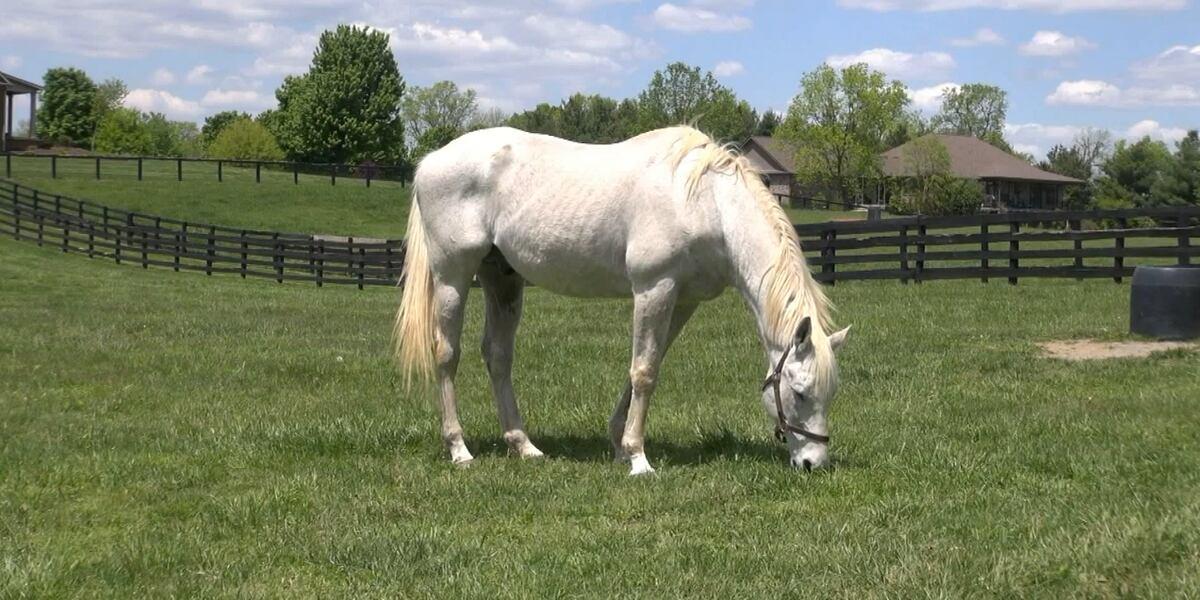
Horse racing’s future will be influenced by more than the quality of its competitions, the popularity of major events or the performance of its leading horses.
The industry’s responsibility towards the animals at the centre of the sport is an essential part of its long-term credibility.
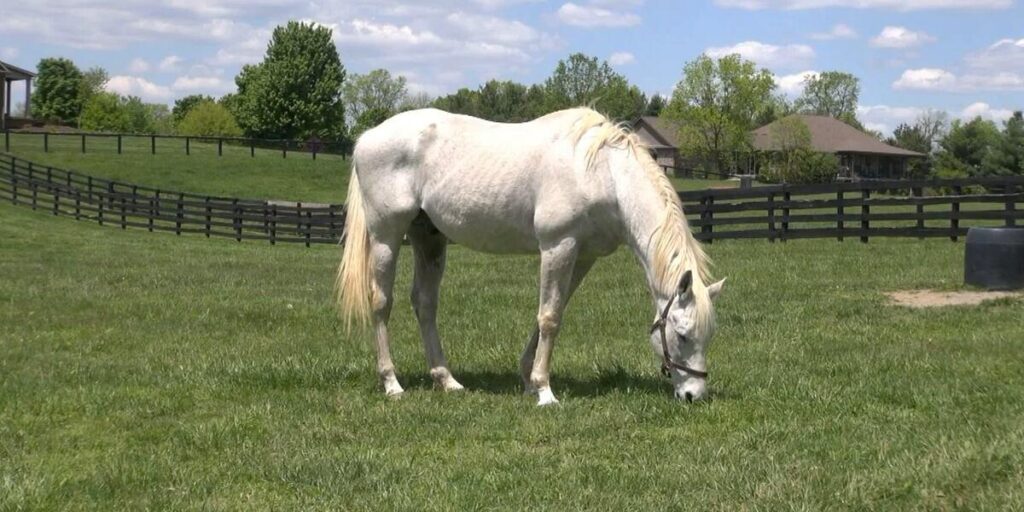
From breeding and early development to training, competition and retirement, horse welfare must remain a consideration throughout a thoroughbred’s life.
As public expectations evolve, racing organisations are under increasing pressure to demonstrate that responsible horse management is supported by practical systems and measurable standards.
Welfare Begins Before Racing
A horse’s welfare journey begins long before its first competitive appearance.
Appropriate nutrition, veterinary care, suitable living conditions and careful handling contribute to healthy development.
Young horses require time to grow and mature. Their exercise and training programmes should take account of individual development rather than following a rigid approach that ignores their needs.
Breeders, owners, trainers and stable staff all have responsibilities in this process.
Veterinary Care and Responsible Training
Veterinary professionals are important contributors to the racing environment.
Regular health assessments, injury management and appropriate treatment can help identify potential problems and support a horse’s recovery.
Training programmes also need to balance physical development with rest and recovery.
A horse’s ability to compete should never be considered separately from its overall health and wellbeing.
Race-Day Safety and Monitoring
Race-day procedures are designed to support the safety of horses and participants.
Depending on the jurisdiction, these may include veterinary examinations, pre-race inspections, race-day monitoring and post-race assessments.
Racecourse officials and veterinary teams work within applicable regulations and safety procedures.
No racing environment can eliminate every risk, but continuous evaluation and improvements in safety practices are important responsibilities for the industry.
Planning for Life After Racing
One of the most important conversations in modern racing concerns what happens when a horse finishes its competitive career.
Thoroughbreds may leave racing for many reasons, including age, injury, changing performance or decisions made by their connections.
Retirement should be planned responsibly rather than treated as an afterthought.
A suitable pathway depends on the individual horse’s health, temperament, training history and future capabilities.
Retraining and New Opportunities
Some retired racehorses adapt successfully to new disciplines and activities.
Depending on their suitability and preparation, they may move into recreational riding, pleasure riding, breeding or other equestrian environments.
Retraining requires patience. Former racehorses have individual personalities and experiences, and their transition should be managed by people with appropriate knowledge and skills.
Not every horse will be suited to the same pathway.
The Role of Racing Authorities and Industry Organisations
Racing regulators and industry organisations can influence welfare outcomes through rules, inspections, education, reporting systems and retirement initiatives.
Requirements differ between countries and racing jurisdictions.
A credible welfare framework should include clear responsibilities, appropriate oversight and transparent information about outcomes.
It is also important that welfare initiatives are evaluated continuously rather than viewed as completed projects.
Building Public Confidence
Public confidence in horse racing depends on more than successful events and attractive race-day experiences.
Audiences increasingly want to understand how horses are treated throughout their careers and what arrangements exist after retirement.
Providing reliable information, recognising problems and demonstrating meaningful improvements are important steps towards maintaining that confidence.
A Future Beyond the Finish Line
The long-term future of horse racing depends on its ability to combine sporting excellence with responsible horse management.
Technology, veterinary research, improved training methods and better retirement planning can all contribute to progress.
However, innovation must be supported by practical action and a genuine commitment to the individual horse.
A successful racing industry should be judged not only by what happens when the starting gates open, but also by how it cares for horses throughout their lives.
At NGINA, we believe the future of racing must be informed, transparent and responsible.