

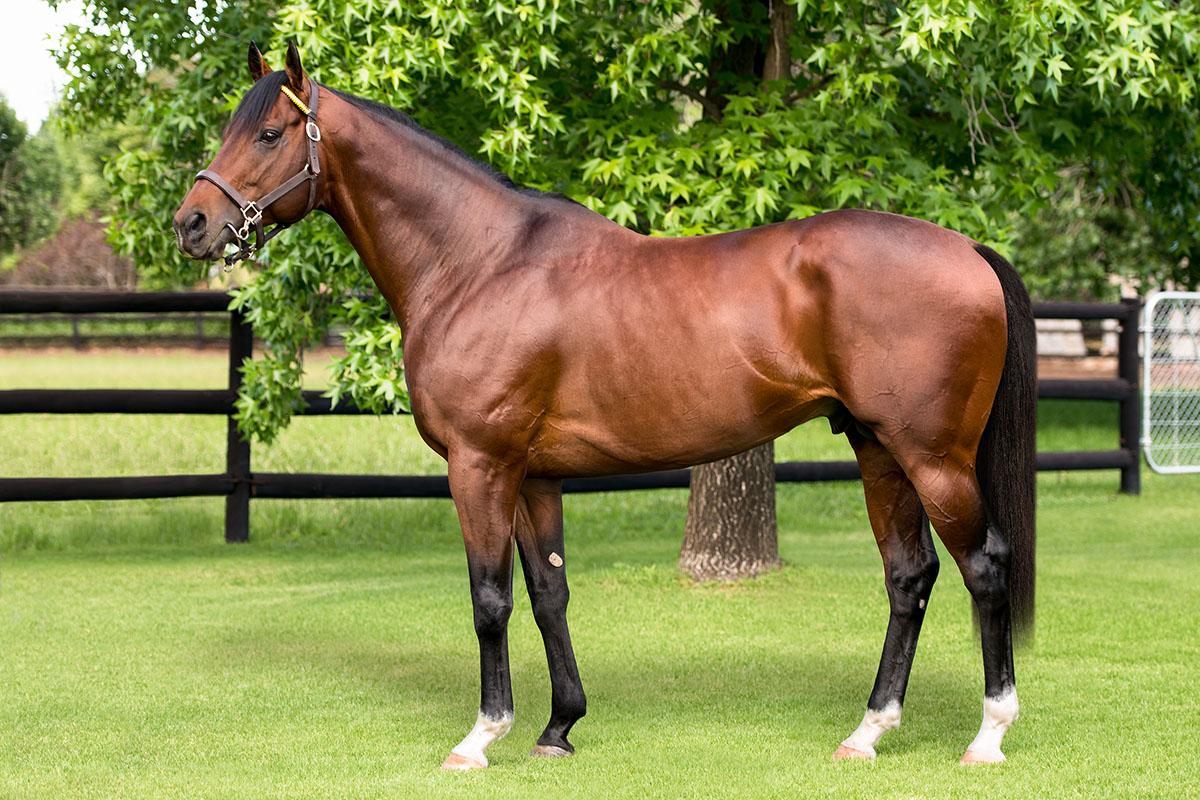
Behind every thoroughbred racehorse is a breeding story that often begins generations before the horse enters a racing stable.
Pedigrees have long influenced decisions made by breeders, owners and racing professionals. The selection of a sire and dam can shape expectations about a young horse’s potential, including its physical characteristics, temperament and possible racing aptitude.
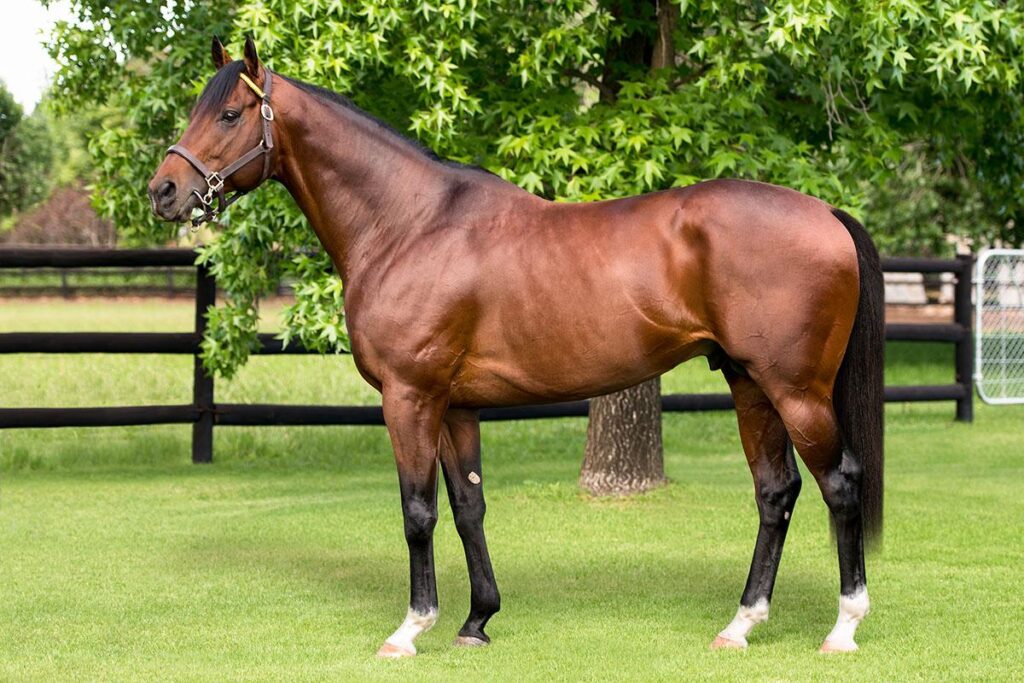
Yet breeding is not an exact science. A distinguished pedigree can create interest, but success on the racetrack depends on much more than ancestry.
Understanding Thoroughbred Pedigrees
A pedigree records a horse’s ancestry, including its sire, dam and earlier generations.
Breeders and bloodstock professionals study these records to understand family patterns and identify characteristics that may be worth preserving.
Some families become recognised for producing talented sprinters, while others develop reputations for stamina, versatility or particular racing characteristics.
However, these patterns should be treated as useful information rather than guarantees of future performance.
The Influence of the Sire and Dam
Both parents contribute to a thoroughbred’s inherited characteristics.
The sire’s racing record and breeding history may provide information about the qualities he has passed to previous generations. The dam’s family and reproductive history are also important considerations.
Breeders often examine the wider family rather than focusing exclusively on a famous stallion.
The combination of both bloodlines helps create a more complete assessment of a potential breeding decision.
Physical Development and Conformation
Pedigree is only one part of evaluating a young horse.
Physical development, movement, balance and overall conformation are also considered during the selection process.
Bloodstock professionals may assess how a horse moves, how its body is developing and whether its physical characteristics appear suitable for athletic activity.
These assessments require experience and should never be treated as a certain prediction of racing success.
Genetics and the Limits of Prediction
Modern genetic research has increased understanding of inherited traits in horses.
Researchers have investigated genetic influences on characteristics such as athletic performance, growth and certain health conditions.
However, racing ability is complex. Genetics interact with nutrition, development, training, health, management and environmental factors.
No single bloodline or genetic test can reliably determine whether an individual horse will become a successful racehorse.
From Breeding Farm to Racing Stable
The journey from foal to racehorse involves several stages.
Young horses develop through early handling, physical growth and preparation before entering formal training programmes.
As their individual characteristics become clearer, trainers and owners can make decisions about racing distances, development and competition opportunities.
A well-managed horse requires appropriate care at every stage rather than being rushed towards competition.
The Business of Bloodstock
Thoroughbred breeding is also an important part of the wider racing economy.
Sales, breeding rights, stallion services, broodmare ownership and bloodstock investments connect breeders with owners and racing organisations around the world.
The value of a horse at auction may reflect pedigree, physical presentation, family history and market demand. However, purchase price does not guarantee future racing performance or financial returns.
The Future of Thoroughbred Breeding
The future of breeding will increasingly involve a combination of traditional bloodline knowledge, veterinary expertise and scientific research.
Responsible breeding decisions must consider not only commercial and athletic objectives but also the health and long-term welfare of horses.
The strongest breeding programmes are built on knowledge, patience and careful management.
At NGINA, we view bloodlines as an important part of the racing story, but the real test of a racehorse is always its individual journey.