

Horse racing has always been a sport shaped by tradition, athletic ability and human judgement. Yet behind the familiar spectacle of horses competing on the track, a significant transformation is taking place. Technology is changing how races are analysed, how horses are monitored and how the wider racing industry makes decisions.
From advanced timing systems to performance analytics, modern racing is increasingly supported by information that was once difficult to collect or interpret. This shift is creating new opportunities for trainers, owners, analysts and racing enthusiasts around the world.
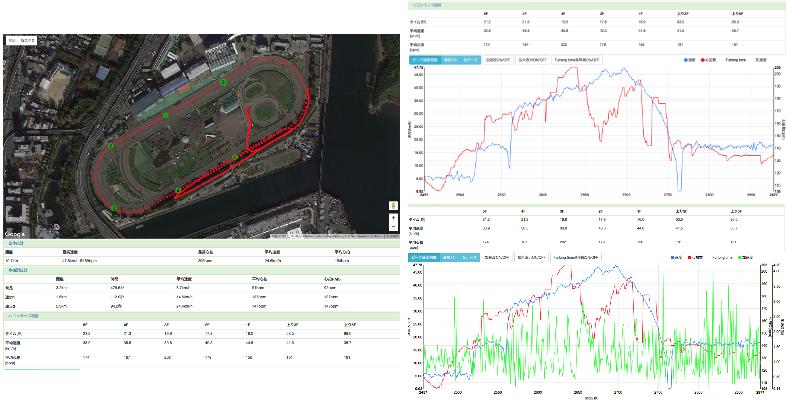
The Rise of Data-Driven Racing Analysis
One of the most important developments in modern horse racing is the growing use of performance data. Traditional form analysis has long considered finishing positions, race distances, track conditions and previous performances. Modern systems can add another layer of detail.
Sectional times, speed measurements and race-position data help analysts understand how a horse performed throughout a race rather than relying entirely on its final finishing position.
A horse that finishes outside the leading positions may have produced a strong performance under difficult circumstances. Equally, a winner may have benefited from a favourable pace or racing position.
Data allows these details to be examined more closely.
GPS Tracking and Performance Monitoring
Technology is also changing the way horses are monitored during training and competition.
Depending on the equipment and systems available, tracking devices can provide information about movement, speed and exercise patterns. This can help racing professionals assess training workloads and observe changes in performance.
Such information should always be considered alongside veterinary guidance and the individual needs of the horse. Technology is a supporting tool, not a replacement for professional judgement.
Artificial Intelligence and Predictive Analysis
Artificial intelligence and machine-learning systems are creating new possibilities for analysing racing information.
These systems can examine large datasets, identify recurring patterns and explore relationships between variables such as distance, race conditions, historical performance and running style.
For racing analysts, this may help make complex information easier to organise and interpret.
However, predictive models have limitations. Racing outcomes are influenced by numerous changing factors, and no algorithm can account perfectly for every situation. Reliable analysis requires quality information, suitable methods and an understanding of uncertainty.
Technology and the Modern Racing Spectator
The impact of innovation extends beyond professional racing teams.
Digital racecards, live timing, video replays, online statistics and racing applications have made information more accessible to followers. Fans can now examine a race from multiple perspectives and follow international meetings more easily.
This has created a more informed audience that increasingly wants context rather than simply a result.
Preserving Tradition While Embracing Innovation
Technology does not remove the importance of horsemanship, experience or racing knowledge. Instead, it provides additional tools that can support better-informed decisions.
The future of horse racing will likely depend on how effectively the industry combines reliable data with practical experience, responsible horse management and transparent information.
The stopwatch, the form guide and the experience of a skilled horseman can all contribute to understanding a race.
At NGINA, we believe the next generation of racing insight will come from bringing these elements together.